Comprehensive Guide to Webhook Security: Protect Your APIs and Applications
Explain the importance of webhook security, common vulnerabilities (e.g., replay attacks, unauthorized requests), and step-by-step methods to securely implement and test webhooks using RequestBin.


Introduction to Webhooks and Their Importance
Webhooks are HTTP callbacks that enable real-time communication between web applications, streamlining workflows and integrations. However, without robust webhook security, your APIs and applications are vulnerable to attacks. This guide explores why securing webhooks is essential, common vulnerabilities, and how to use RequestBin to test and ensure their integrity. Learn more about webhooks in our API basics guide.
Understanding Webhook Security: Why It Matters for APIs
What Are Webhooks?
Webhooks allow one application to send data to another instantly, triggered by specific events, such as a new user signup or payment confirmation.
The Importance of Securing Webhooks
Unsecured webhooks can lead to data breaches or unauthorized actions. For instance, a compromised webhook might allow attackers to access sensitive customer information. Prioritizing API security is critical to protect your systems. See our API security guide for broader insights.
Tip: Always use HTTPS to encrypt webhook communications and prevent eavesdropping.
Common Webhook Vulnerabilities: What to Watch Out For
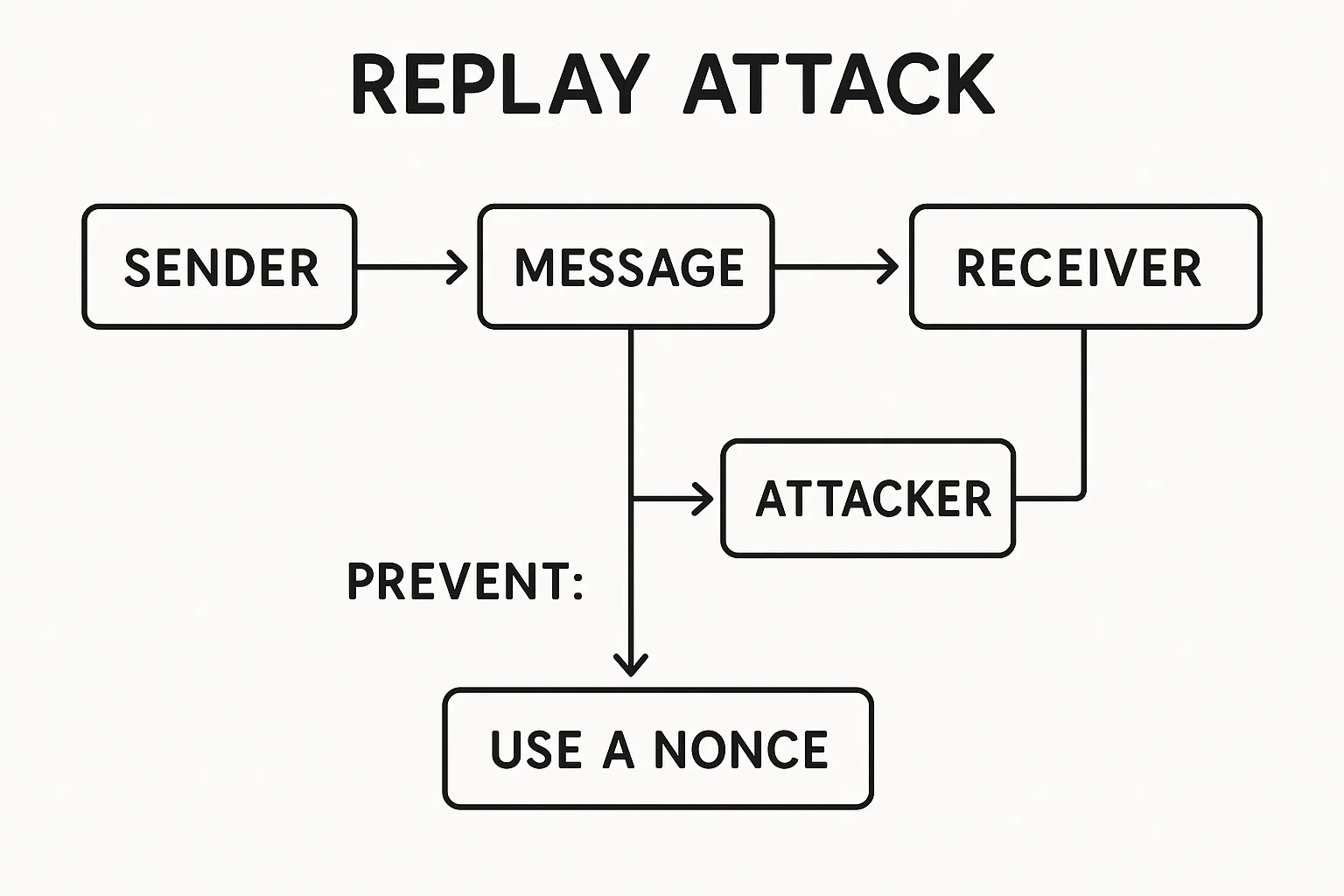
Replay Attacks
Attackers capture and resend webhook requests to trigger unintended actions, like processing duplicate payments.
Example: A replayed payment confirmation webhook could result in multiple charges.
Unauthorized Requests
Requests from untrusted sources can manipulate your application if not properly authenticated.
Example: A fake webhook could trick your system into updating user data.
Data Tampering
Attackers modify webhook payloads to alter their behavior, such as changing transaction amounts.
Tip: Validate all incoming payloads to ensure they match expected formats.
Best Practices for Securing Webhooks
Use HTTPS
Encrypt all webhook traffic to protect data in transit.
Authenticate Requests
Use tokens or signatures to verify the sender’s identity.
Example: Include a secret key in the webhook header to authenticate requests.
Validate Payloads
Check payload structure and content to prevent injection attacks.
Monitor and Log Requests
Track webhook activity to detect anomalies, such as unexpected request volumes.
Tip: Set up alerts for suspicious webhook activity to respond quickly.
Explore advanced authentication in our secure API authentication guide.
How to Test Webhook Security with RequestBin
Setting Up a RequestBin
- Visit RequestBin.net and click "Create Request Bin."
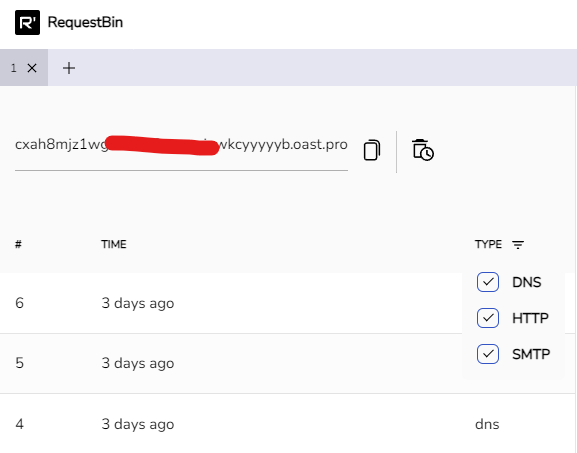
- Copy the unique URL provided, use and monitor results
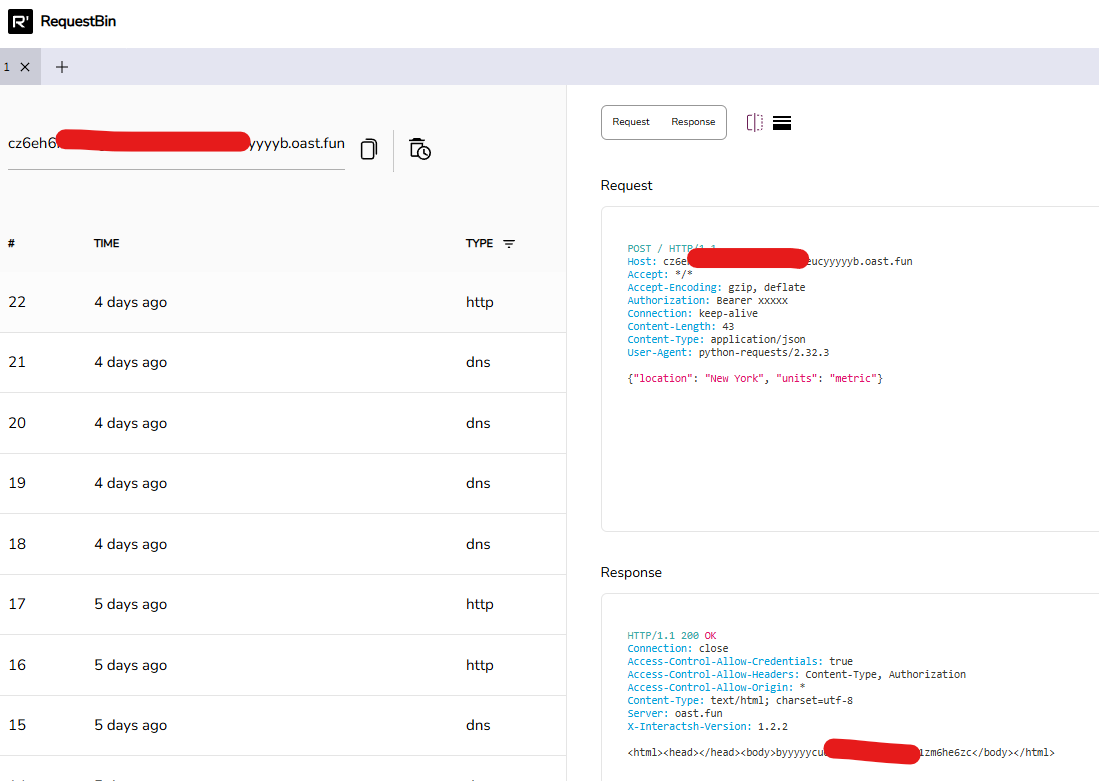
Configuring Your Webhook
Set the RequestBin URL as the webhook endpoint in your service (e.g., Stripe or GitHub).
Sending Test Requests
Trigger the webhook to send a test request to RequestBin.
Inspecting for Security Issues
Review headers, payload, and source IP in RequestBin to verify:
- The request uses HTTPS.
- Authentication tokens are present.
- The payload is correctly formatted.
Screenshot: A screenshot of the RequestBin dashboard showing a captured webhook request would be included here.
Tip: Simulate unauthorized requests in RequestBin to test your authentication logic.
Learn more in our RequestBin feature guide.
Advanced Webhook Security Techniques
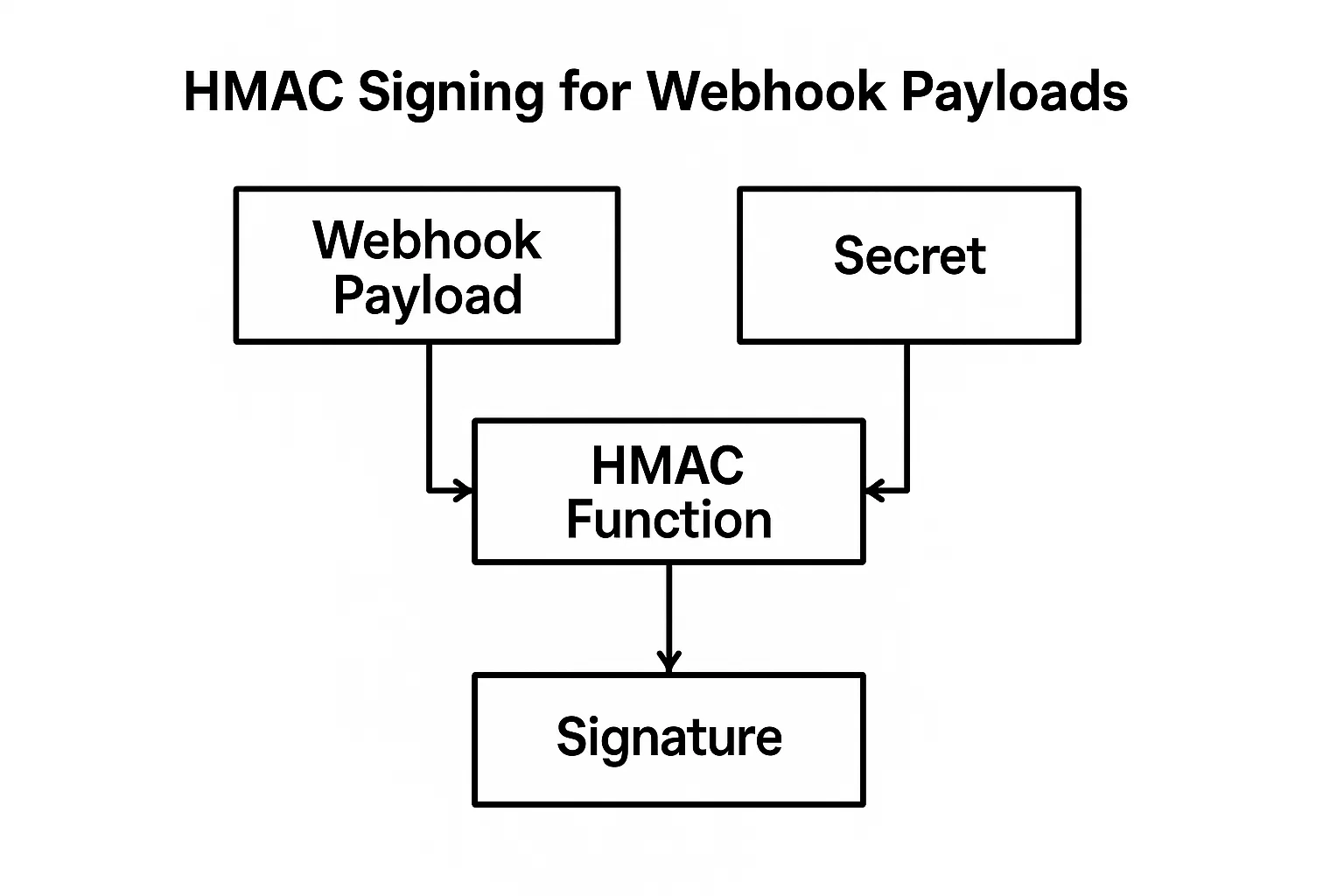
Payload Signing with HMAC
Use Hash-based Message Authentication Code (HMAC) to sign and verify payloads, ensuring data integrity.
Example: Generate an HMAC signature using a shared secret and compare it with the received signature.
Integrating Webhooks with OAuth
Use OAuth for secure authentication between services, ideal for high-stakes applications.
Rate Limiting and IP Whitelisting
Restrict request frequency and allow only trusted IPs to prevent abuse.
Tip: Implement rate limiting to mitigate denial-of-service attacks.
Conclusion: Secure Your Webhooks Today
Securing your webhooks is vital to protect your APIs and applications from threats like replay attacks and unauthorized requests. By following best practices, testing with tools like RequestBin, and exploring advanced techniques, you can build robust webhook integrations. Start implementing these strategies today to safeguard your systems. Visit our security hub for more resources.