What is RequestBin? A Comprehensive Guide to Its Evolution and Features
RequestBin is a powerful tool designed to inspect and analyze HTTP and DNS requests in real-time. Widely favored by developers and cybersecurity researchers, it allows users to test webhooks, analyze API interactions, and debug vulnerabilities effectively.


RequestBin is a powerful tool designed to inspect and analyze HTTP and DNS requests in real-time. Widely favored by developers and cybersecurity researchers, it allows users to test webhooks, analyze API interactions, and debug vulnerabilities effectively. Originally developed by Jeff Lindsay, RequestBin became an indispensable tool for its simplicity and utility before being discontinued in 2018.
Since then, RequestBin.net has taken over the project, significantly enhancing its features and integrating modern tools like Interactsh, ensuring its continued relevance in the world of debugging and security testing.
The History of RequestBin
The Original RequestBin (Pre-2018)
RequestBin was first created by Jeff Lindsay as a straightforward way to collect and inspect HTTP requests. Its ease of use and versatility quickly made it a favorite among developers for debugging webhooks and APIs. However, the project was discontinued in 2018, leaving many developers searching for alternatives.

The Revival: RequestBin.net
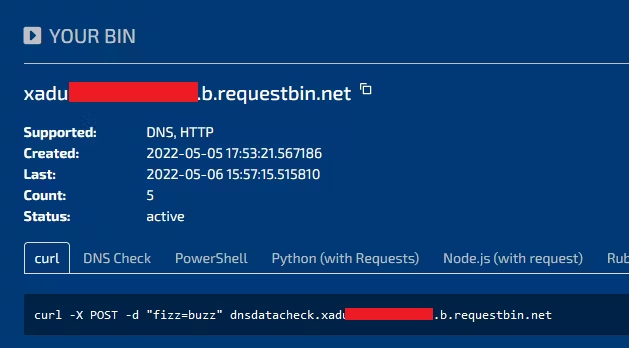
In 2018, RequestBin.net revived the tool, adding significant updates and support for additional protocols like DNS and SMTP. This new version made RequestBin even more versatile, catering to more complex debugging scenarios, including DNS data exfiltration.

Features of RequestBin.net
HTTP and DNS Inspection
RequestBin.net retains its legacy as a tool for inspecting HTTP requests, with added support for DNS queries. Users can analyze request headers, bodies, and metadata to debug webhooks and APIs effectively.
DNS Data Exfiltration Testing
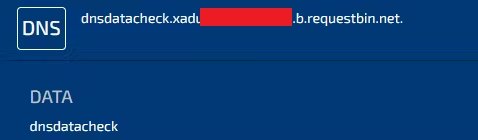
One of the most innovative features added by RequestBin.net is the ability to test DNS data exfiltration. This technique, often used in cybersecurity testing, allows data to be transferred between systems via DNS protocols without direct connections.

Interactsh Integration for Out-of-Band Security Testing
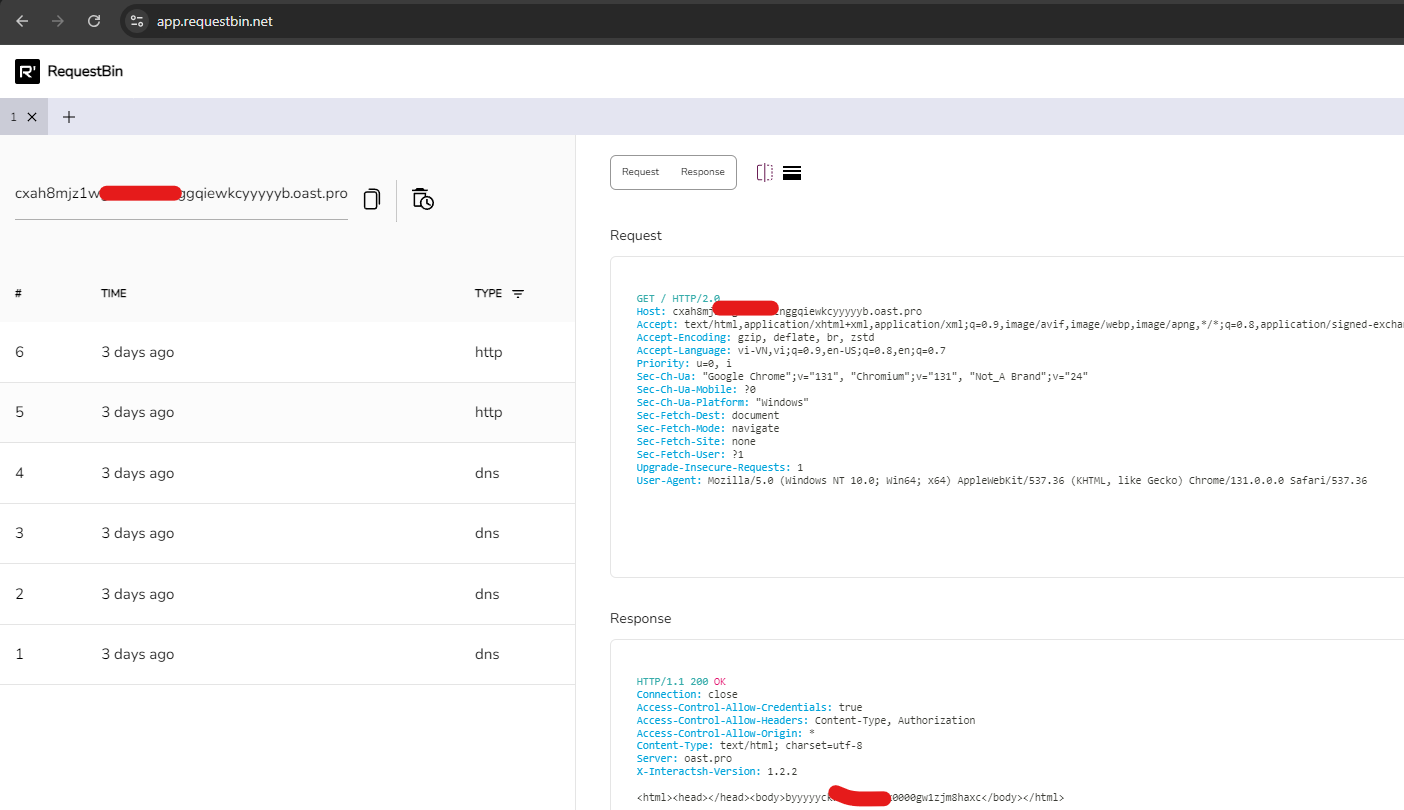
In its latest version, RequestBin.net integrates with Interactsh, a cutting-edge open-source tool by ProjectDiscovery for detecting Out-of-Band (OOB) vulnerabilities. This integration enables:
- Generating interaction URLs for testing.
- Capturing callbacks triggered by target systems.
- Monitoring protocols like DNS, HTTP(S), SMTP(S), and LDAP.

Enhanced Compatibility
RequestBin.net works seamlessly with popular tools like:
- Burp Suite for web security testing.
- OWASP ZAP, an open-source penetration testing tool.
- HTTP request testing libraries in programming environments.

How RequestBin Works
- Generate a Bin
Visit app.requestbin.net and create a temporary URL (bin) for testing. - Send Requests
Use this URL in your API, webhook, or security testing scenarios to send HTTP or DNS requests. - Analyze Logs
Inspect the logs in real-time, including headers, payloads, and metadata.

Use Cases of RequestBin
For Developers
- Debugging webhook integrations with real-time logs.
- Validating API responses and request structures.
For Security Researchers
- Testing DNS data exfiltration techniques.
- Simulating and identifying Out-of-Band vulnerabilities.
For Educators and Trainers
- Teaching DNS and HTTP protocols.
- Demonstrating real-world security vulnerabilities.
Conclusion
RequestBin.net has transformed from a simple HTTP request inspection tool into a comprehensive debugging and security testing platform. By integrating modern features like DNS exfiltration tools and Interactsh, it remains an essential resource for developers and security professionals.
Whether you’re debugging webhooks or simulating sophisticated attack scenarios, RequestBin.net is a reliable and powerful ally.
Get started today at RequestBin.net and elevate your testing capabilities.